

In today’s rapidly evolving business landscape, the need to maintain strong relationships with customers has never been more critical. For this reason, many organizations are turning to Customer Relationship Management (CRM) systems to streamline their customer interactions and improve overall efficiency. However, a one-size-fits-all solution often falls short in catering to the unique needs of different businesses. This is where CRM customization comes into play, allowing companies to tailor software to align with their specific objectives and demands.
Understanding CRM Customization
CRM customization refers to the process of modifying a CRM system to better fit the operational workflows, industry standards, and unique requirements of a business. While out-of-the-box CRM solutions can provide basic functionalities, the true power of these systems is unlocked through customization. This can range from minor user interface changes to complex integrations and new feature implementations.
Why Customization is Important
-
Enhanced User Experience: Tailoring the interface and functionalities can lead to a more intuitive user experience. Employees are more likely to engage with a system that feels familiar and is easy to navigate.
-
Increased Efficiency: Customizing workflows, automation, and data fields can streamline processes, reducing the time and effort required to manage customer relationships.
-
Better Data Management: Custom fields and databases allow businesses to capture the information that matters most to them, leading to improved data quality and insights.
-
Scalability: As businesses grow, their needs also evolve. A customized CRM can be adjusted or expanded to accommodate new features as the company scales.
-
Competitive Edge: Unique features tailored to your business can provide an edge over competitors who may be using standard systems.
Key Areas for Customization
-
User Interface (UI) Customization: Modifying the layout, colors, and dashboard widgets of the CRM can significantly enhance user interaction. Intuitive designs can help employees navigate the system more effectively.
-
Workflow Automation: Automating repetitive tasks such as sending follow-up emails or scheduling appointments can free up your team to focus on higher-value activities.
-
Custom Fields and Modules: Depending on the industry, your business may require specific data points. Custom fields allow you to track this unique information, ensuring you have all the relevant details at your fingertips.
-
Integrations: Integrating your CRM with other business applications (like email marketing tools, project management software, or accounting systems) enhances overall productivity. Custom APIs can be developed to facilitate this integration.
-
Reporting and Analytics: Tailored reports that pull specific metrics relevant to your business can help you focus on the KPIs that matter most, enabling better decision-making.
-
Mobile Accessibility: Customizing the CRM for mobile devices ensures your team can access essential tools and information while on-the-go, improving flexibility and responsiveness.
The Customization Process
-
Needs Assessment: The first step is conducting a thorough analysis of your business requirements. Gather insights from all stakeholders—sales teams, customer service reps, management, and IT.
-
Choosing the Right CRM: Select a CRM platform that offers flexibility and robust customization options. Popular platforms include Salesforce, HubSpot, and Zoho CRM, each with distinct customization capabilities.
-
Design Phase: Collaborate with CRM experts or developers to design your customized solution, keeping usability and efficiency at the forefront.
-
Development and Implementation: Once the design phase is complete, the development of custom features and interfaces begins. It’s crucial to maintain open communication with your team during this stage to ensure all needs are met.
-
Testing and Feedback: Before full-scale deployment, conduct testing with a small group of users. Gather feedback and make necessary adjustments to ensure the system performs as expected.
-
Training and Support: Provide comprehensive training for your team to ensure they understand how to utilize the customized features effectively. Ongoing support will also be necessary for troubleshooting and improvements.
-
Review and Adjust: The customization process is ongoing. Continuously monitor the CRM’s performance, gather user feedback, and make adjustments as needed.
Challenges to Consider
While CRM customization offers numerous benefits, it also comes with challenges:
-
Cost: Customization can be expensive, especially when hiring specialists or investing in complex integrations. It’s important to weigh the costs against the benefits.
-
Time Investment: Developing a customized solution can take time, which may slow down initial implementation.
-
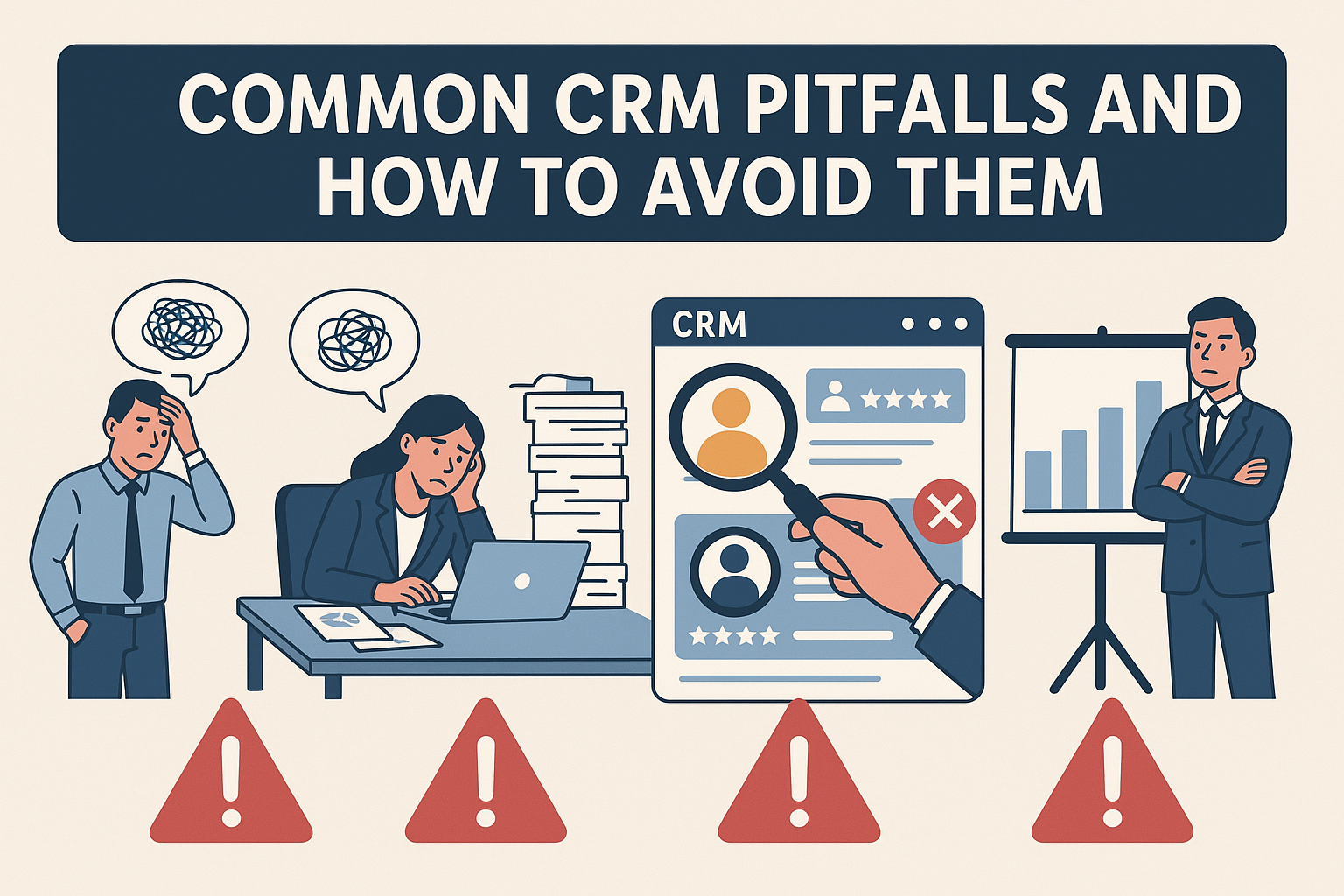
Potential for Over-Complexity: Adding too many features can lead to a cluttered interface, which can frustrate users rather than help them.
-
Ongoing Maintenance: A customized CRM requires regular updates and maintenance to ensure it continues to meet business needs and aligns with evolving technology.
Conclusion
CRM customization is a powerful tool that can transform how businesses manage customer relationships. By tailoring CRM software to meet specific operational needs, organizations can enhance efficiency, improve user experience, and gain a competitive advantage. However, it is essential to approach customization thoughtfully, considering the challenges and costs involved. With careful planning and execution, a customized CRM system can become an invaluable asset that drives business success.
FAQs
1. What is the difference between a customizable CRM and a standard CRM?
A standard CRM offers pre-defined features and functionalities that cater to a broad audience, while a customizable CRM allows businesses to modify and tailor aspects of the software to meet their specific needs.
2. Can I customize any CRM system?
Not all CRM systems support extensive customization. It’s crucial to choose a platform known for its flexibility, such as Salesforce, HubSpot, or Zoho CRM.
3. How long does it take to customize a CRM?
The time required for CRM customization varies based on the complexity of the requirements. A simple customization may take a few weeks, while more advanced features can take several months.
4. What are the costs associated with CRM customization?
Costs can vary widely depending on the CRM platform chosen, the extent of customization required, and whether you hire external consultants or developers. It’s vital to budget for both initial setup and ongoing maintenance.
5. Will my team need training for the customized CRM?
Yes, providing training to your team is essential to ensure they can effectively use the customized features and maximize the benefits of the system.