
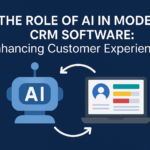
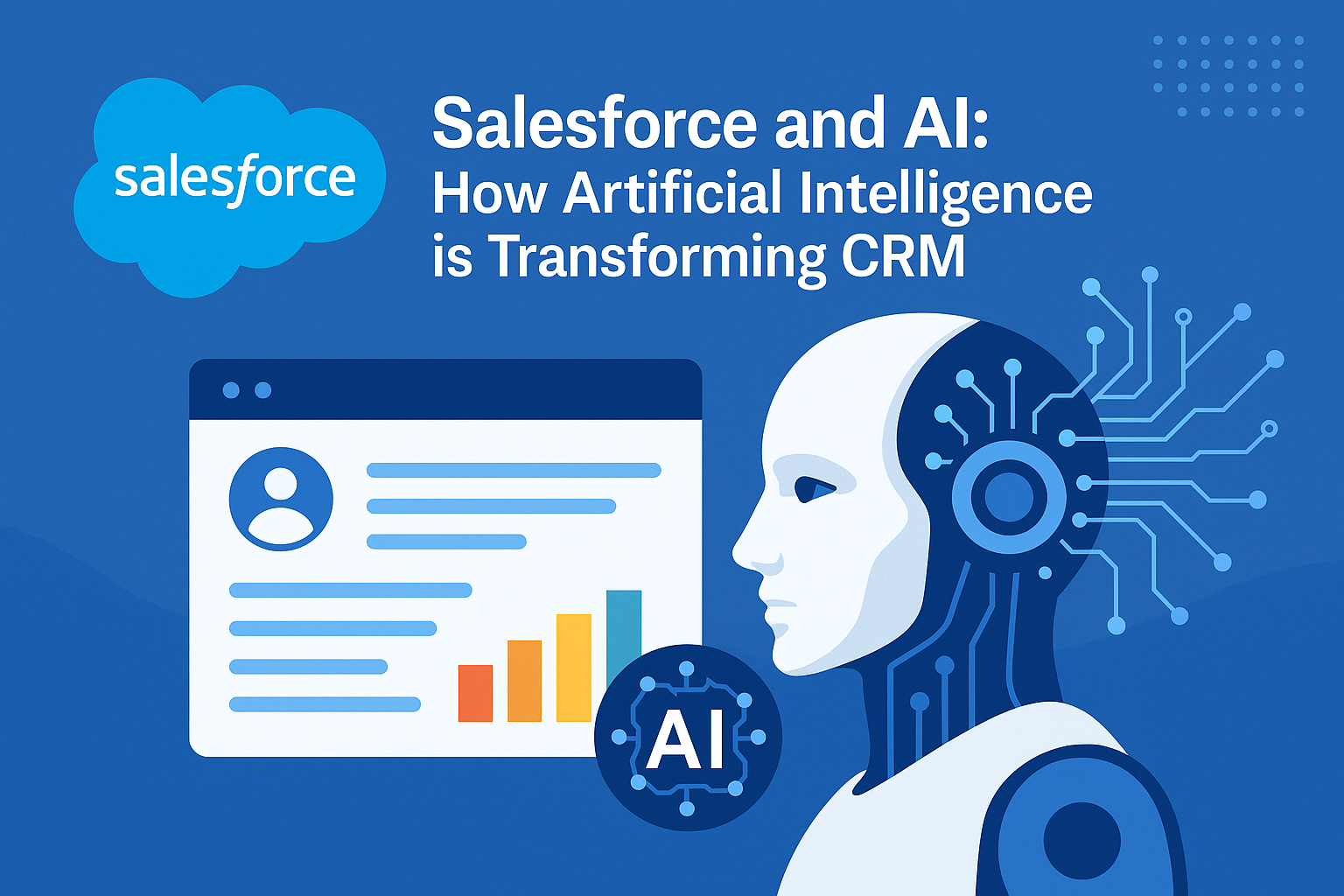
As businesses continue to evolve in an increasingly digital landscape, the necessity for sophisticated tools that can help organizations streamline operations, enhance customer interactions, and harness data effectively has never been more critical. At the forefront of this transformation is Salesforce, a leading Customer Relationship Management (CRM) platform that is leveraging Artificial Intelligence (AI) to revolutionize the way businesses connect with their clients.
Understanding Salesforce and its Role in CRM
Salesforce is a cloud-based platform designed to help businesses manage customer relationships more effectively. It provides a suite of tools and functionalities that allow organizations to track customer interactions, analyze data, and automate various processes—all of which contribute to improved customer satisfaction and operational efficiency. However, with the influx of data generated through various customer touchpoints, traditional CRM systems often struggle to provide the deep insights and predictive capabilities that businesses require. This is where AI steps in.
The Integration of AI into CRM
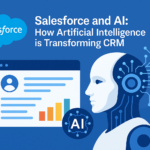
Salesforce has employed AI through its innovative tool known as Einstein. Salesforce Einstein is designed to infuse AI capabilities directly into the Salesforce platform, enabling businesses to use predictive analytics, natural language processing, and machine learning to improve customer experiences. Some of the primary facets in which AI is transforming CRM include:
1. Predictive Analytics
One of the most impactful applications of AI in CRM is predictive analytics. By analyzing historical customer data, AI can identify patterns and forecast future customer behaviors. This means businesses can proactively address customer needs, tailor marketing strategies, and identify opportunities for cross-selling and upselling, ultimately leading to enhanced customer retention and revenue growth.
2. Improved Customer Insights
AI-driven tools can analyze vast amounts of customer interaction data, extracting valuable insights that might be overlooked by human agents. With features like sentiment analysis—enabled by natural language processing—businesses can understand customer emotions better, allowing for more personalized responses and proactive service delivery.
3. Enhanced Automation
Salesforce leverages AI to automate repetitive tasks, such as data entry and follow-up reminders. This not only enhances operational efficiency but also allows employees to focus on higher-value tasks such as relationship-building and strategic planning. AI-driven chatbots, for instance, can handle basic customer inquiries, freeing up human agents for more complex issues.
4. Personalized Customer Experiences
Through AI’s ability to analyze customer data in real-time, companies can craft personalized experiences that resonate with individual clients. This could include customized marketing messages based on past purchases or suggestions for services that meet specific needs. The result is an increase in customer engagement and loyalty.
5. Improved Lead Scoring and Sales Forecasting
When it comes to sales teams, AI can enhance lead scoring by assessing which prospects are more likely to convert based on historical data. This allows sales representatives to focus on high-priority leads, maximizing efficiency and opportunities. Furthermore, AI can assist in sales forecasting by analyzing trends and providing more accurate predictions, ensuring businesses can manage resources better.
Challenges and Considerations
While the integration of AI into Salesforce certainly brings advantages, there are challenges that businesses must consider.
1. Data Quality
AI algorithms rely heavily on data, and the effectiveness of these algorithms depends on the quality of the data fed into them. Inaccurate, duplicate, or outdated information can lead to misleading insights and may even harm customer relationships.
2. Integration Issues
Integrating AI into existing CRM systems can be complex. Businesses must ensure their data architecture is ready to support AI initiatives and may need to invest in training for staff to adapt to these new technologies.
3. Ethical Considerations
The use of AI raises ethical questions, particularly around data privacy. Businesses must be transparent about how customer data is used and ensure compliance with regulations such as the GDPR (General Data Protection Regulation) to maintain customer trust.
The Future of AI in CRM
As technology continues to advance, the role of AI in CRM is set to grow even further. Features like augmented reality (AR) for virtual meetings or enhanced customer journey mapping using AI will likely emerge, providing businesses with an even more detailed understanding of customer interactions and experiences. Companies that leverage these advancements will be better positioned to stay competitive in a rapidly changing marketplace.
Conclusion
The integration of AI into Salesforce is a game-changer for CRM. It not only enhances customer interactions but also drives efficiency within organizations. As businesses increasingly rely on AI to glean insights from customer data, the potential for improving relationships and boosting sales becomes enormous. However, careful consideration of data quality, integration challenges, and ethical implications will be vital to ensure a successful AI journey.
FAQs
1. What is Salesforce Einstein?
Salesforce Einstein is an AI-powered tool built into the Salesforce platform that delivers advanced analytics, automation, and personalization capabilities, designed to enhance CRM functions.
2. How can AI help improve customer service?
AI can help by automating responses to common inquiries through chatbots, analyzing customer sentiment for more personalized communication, and providing insights into customer preferences.
3. Is it expensive to implement AI in Salesforce?
The cost of implementing AI in Salesforce can vary based on the size of the organization, the specific features used, and the extent of data integration needed. Organizations should evaluate their business needs and budget accordingly.
4. Can small businesses benefit from AI in Salesforce?
Yes, small businesses can benefit significantly from AI, as it can help automate processes, provide insights for better decision-making, and enhance customer interactions, all of which contribute to growth.
5. What should companies consider when using AI in CRM?
Companies should assess data quality, ensure seamless integration with existing systems, be transparent about data usage, and comply with ethical standards and regulations regarding customer data.