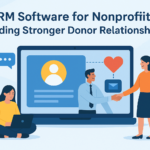

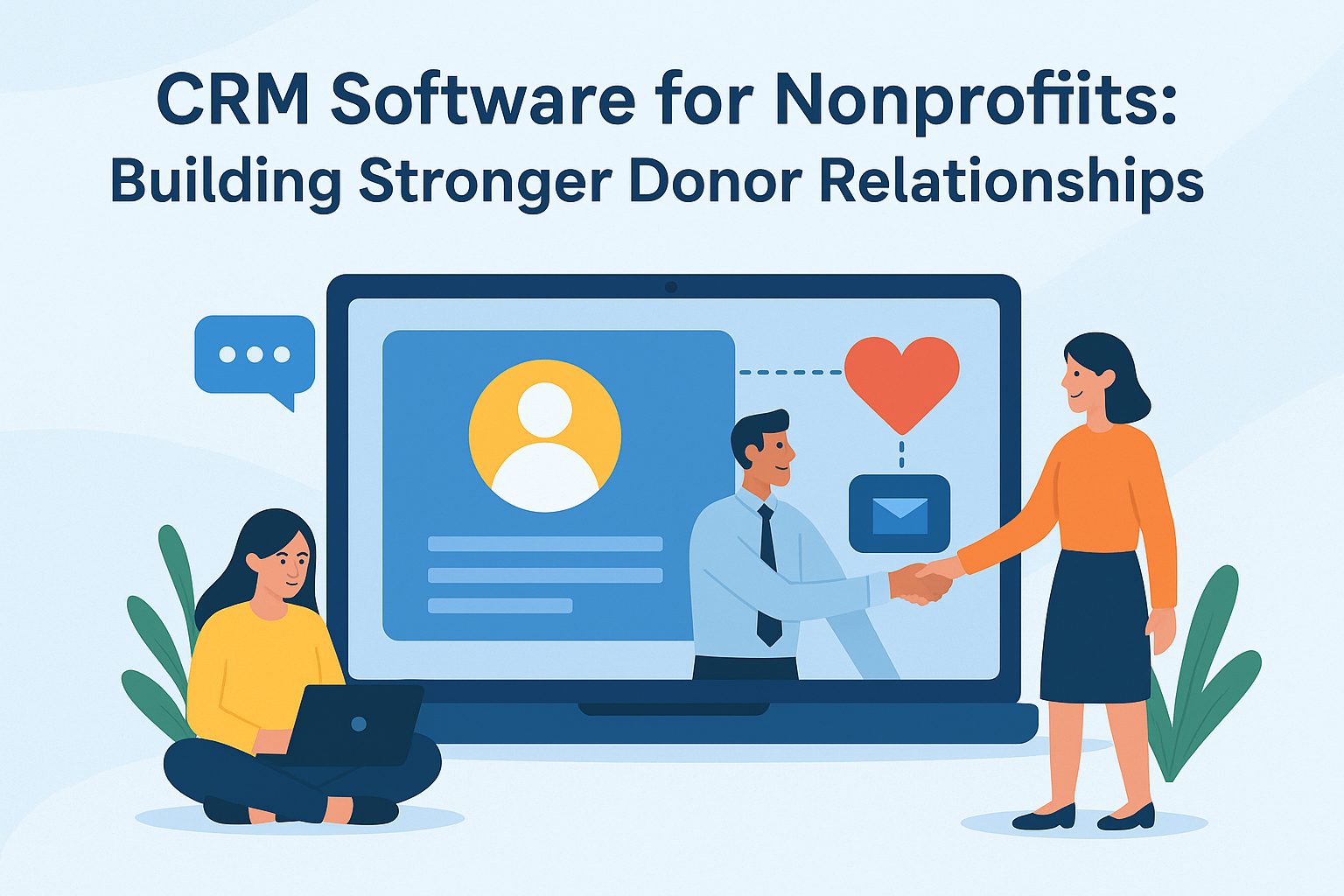
In the age of digital transformation, nonprofit organizations are leveraging technology to streamline operations, enhance communication, and most importantly, build lasting relationships with their donors. Customer Relationship Management (CRM) software has emerged as a vital tool in achieving these goals. With its ability to manage donor data efficiently and optimize fundraising campaigns, CRM provides nonprofits with a structured way to maintain and grow relationships with supporters.
Understanding CRM Software
CRM software is designed to manage a company’s interactions with current and potential donors. This technology allows nonprofits to collect, analyze, and leverage donor information to create personalized communication strategies that resonate with individual supporters. By employing CRM systems, nonprofits can track donations, manage fundraising efforts, and enhance stakeholder engagement.
Why Nonprofits Need CRM Software
While nonprofits often operate with limited resources, the importance of relationship-building cannot be understated. Strong connections with donors lead to increased donor retention and higher fundraising totals. Here are several reasons why CRM software is crucial for nonprofits:
-
Segmented Communication: CRMs allow organizations to segment their donor lists based on a variety of criteria such as donation history, demographics, and interests. This allows for customized engagement strategies tailored to the specific needs and motivations of different donor groups.
-
Relationship Management: Building relationships is at the core of successful fundraising. CRM software provides tools to track communication history, donor preferences, and engagement levels, allowing nonprofits to interact more meaningfully with their supporters.
-
Data Management: A dedicated CRM system can centralize all donor information, making it easier to manage updates, track trends, and analyze donor behavior over time.
-
Improved Fundraising Campaigns: By analyzing past fundraising efforts, a CRM can help nonprofits refine their strategies and forecast upcoming campaigns. This data-driven approach enhances the effectiveness of fundraising initiatives.
-
Enhanced Reporting Tools: Nonprofits frequently need to report on performance metrics for stakeholders and grant applications. Many CRM platforms come equipped with powerful reporting features that make it easy to generate the necessary reports with accurate data.
Features of CRM Software for Nonprofits
When selecting a CRM solution, nonprofits should seek features specifically designed to accommodate their unique needs:
-
Donor Management: This feature tracks individual donor profiles, including personal information, donation history, and engagement levels. A robust donor management system enables nonprofits to identify key supporters and nurture those relationships.
-
Contact Management: In addition to tracking donors, CRM software can help manage relationships with volunteers, board members, and other stakeholders.
-
Event Management: Organizing fundraising events and volunteer opportunities can be complicated, but with event management features, CRMs simplify registration processes, reminders, and follow-ups.
-
Integration with Payment Processors: Nonprofits rely on various payment methods for donations. Many CRM solutions integrate seamlessly with payment processors, making it easy for donors to contribute.
-
Mobile Access: Many nonprofits operate with remote teams and volunteers. CRM software that offers mobile access enables staff to manage donor interactions and update information on-the-go.
Benefits of Using CRM Software
-
Strengthened Donor Relationships: The insights gained from a CRM enables personalized communication, which is essential in retaining donors and encouraging recurring contributions.
-
Increased Efficiency: Automating routine tasks and simplifying record-keeping frees up staff time for more strategic activities like relationship-building and planning new fundraising efforts.
-
Better Accountability: CRM systems track all interactions with donors, providing transparency and fostering trust between the organization and its supporters.
-
Higher Donor Retention Rates: By understanding donor behavior and preferences, nonprofits can create effective engagement strategies that lead to long-term support.
Best CRM Software Options for Nonprofits
While there are numerous CRM options available, some of the best-in-class software tailored for nonprofits include:
-
Salesforce for Nonprofits: Salesforce is widely recognized for its versatility and robust features. Their Nonprofit Success Pack offers tools tailored specifically to meet the needs of nonprofit organizations.
-
Bloomerang: This solution focuses on donor retention and provides insightful analytics to help nonprofits understand their supporters better. It is known for its user-friendly interface.
-
Kindful: Kindful’s integration capabilities are a standout feature. It allows nonprofits to connect with a variety of third-party applications, enhancing overall functionality.
-
DonorPerfect: This user-friendly CRM provides comprehensive donor management features and is particularly useful for smaller organizations looking to maximize their fundraising efforts.
-
NeonCRM: NeonCRM stands out for its integrated features for event management, donation tracking, and more. It is aimed at organizations of all sizes.
Implementing a CRM System
Implementing a CRM system can seem daunting, but with careful planning and a clear vision, it can vastly improve your nonprofit’s operations. Here are some steps to ensure successful implementation:
-
Define Objectives: Before implementation, identify your nonprofit’s specific goals for using CRM software; whether it’s improving donor retention, streamlining donations, or enhancing reporting capabilities.
-
Select the Right Software: Choose a CRM that meets your unique needs, taking into account factors such as budget, functionality, and ease of use.
-
Training and Support: Invest in training for staff and volunteers to ensure they maximize the features of the CRM. Most CRM solutions offer customer support or training resources.
-
Continual Evaluation and Adjustment: After launching your CRM, continually assess its effectiveness, making adjustments as needed based on feedback and outcomes.
FAQs
1. What is CRM software?
CRM (Customer Relationship Management) software helps organizations manage their interactions with current and potential donors by centralizing donor information and optimizing communication.
2. Why should nonprofits use CRM software?
CRM software provides nonprofits with essential tools to build stronger donor relationships, optimize fundraising campaigns, and manage donor data efficiently.
3. What features should nonprofits look for in CRM software?
Nonprofits should look for donor management, contact management, event management, payment processor integration, and mobile access when selecting CRM software.
4. Can CRM software help with donor retention?
Yes, by facilitating personalized communication and providing insights into donor behavior, CRM software significantly aids in increasing donor retention rates.
5. What are some popular CRM software options for nonprofits?
Some popular choices are Salesforce for Nonprofits, Bloomerang, Kindful, DonorPerfect, and NeonCRM.
Conclusion
In the ever-evolving landscape of nonprofit organizations, CRM software acts as an invaluable ally. By enabling nonprofits to manage their relationships with donors effectively, CRMs not only enhance operational efficiency but also promote meaningful engagement. As nonprofits continue to compete for the attention and support of donors, an effective CRM will be central to building and nurturing those essential relationships. Investing in CRM software is not just about managing data; it’s about creating a foundation for long-term success and impact.