



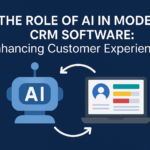



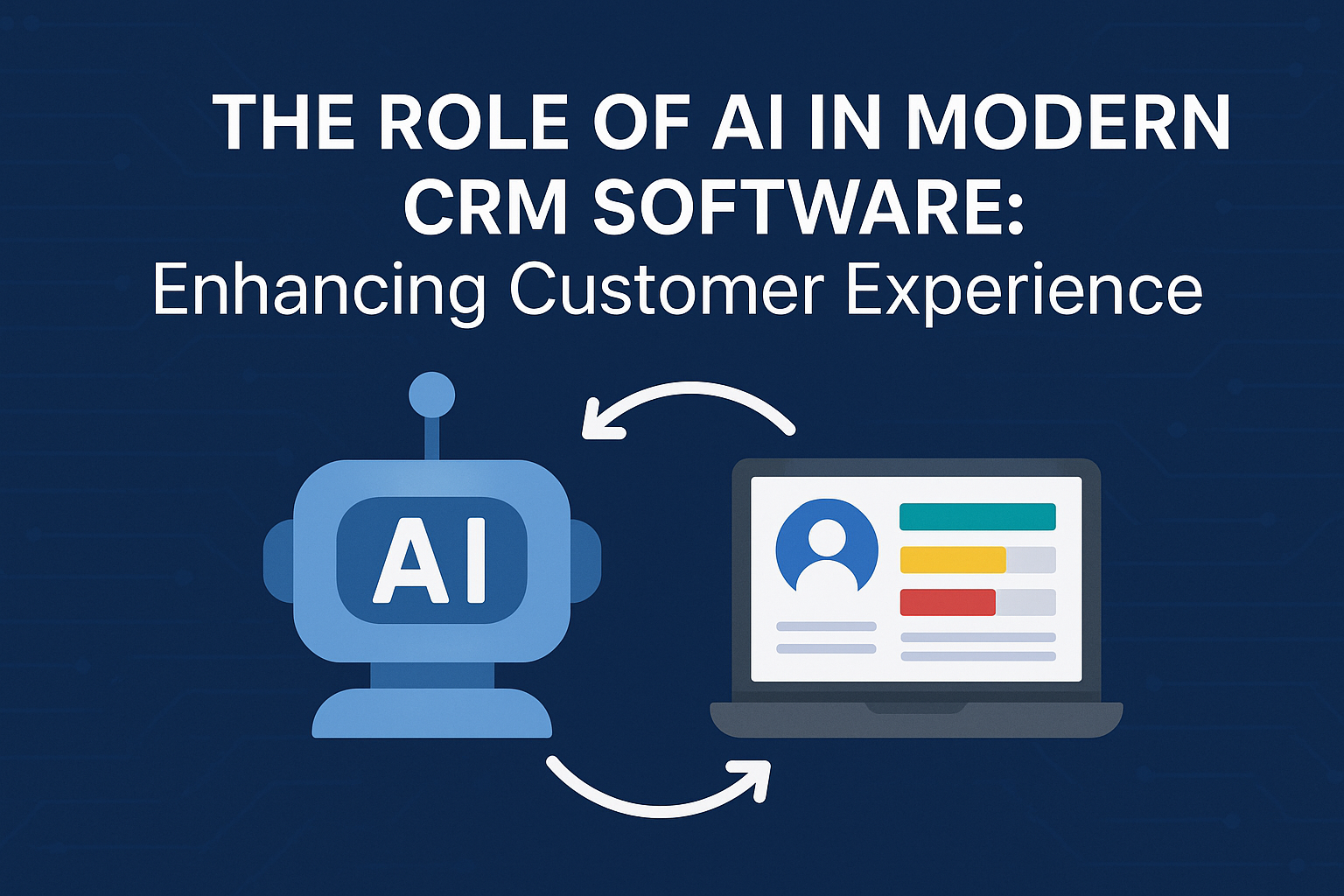
In today’s hyper-connected digital landscape, understanding customer needs and fostering meaningful relationships has become paramount for businesses. Customer Relationship Management (CRM) software has evolved from basic databases of customer information to sophisticated platforms that leverage advanced technologies, including Artificial Intelligence (AI). AI is redefining how organizations acquire, manage, and analyze customer data, ultimately enhancing the customer experience in ways that were previously unimaginable.
Understanding CRM and its Importance
Customer Relationship Management (CRM) systems are tools that facilitate the management of a company’s interactions with current and potential customers. These systems centralize customer data, track sales, and manage communication across various channels. The primary goals of CRM software are to improve customer satisfaction, boost sales productivity, and foster customer loyalty.
With the rise of digital channels, consumer expectations have significantly shifted. Today’s customers expect personalized experiences, prompt responses, and seamless interaction with brands across various platforms. Modern CRM software addresses these demands effectively, and when integrated with AI, its capabilities increase exponentially.
AI: A Game Changer for CRM Systems
Artificial Intelligence encompasses a range of technologies, including machine learning, natural language processing (NLP), and predictive analytics. These technologies can analyze vast amounts of data quickly, identify patterns, and provide insights that empower organizations to make data-driven decisions.
Here are some ways AI enhances CRM software:
1. Predictive Analytics
One of the core benefits of AI in CRM is its ability to predict customer behavior. By analyzing historical data, AI algorithms can forecast future actions—like the likelihood of a customer making a purchase or churning. Businesses can leverage these insights to tailor their marketing strategies and target the right audience with personalized offers, ultimately driving conversion rates.
2. Enhanced Customer Insights
AI enhances customer insights by delivering a 360-degree view of the customer. It can analyze customer interactions, preferences, and feedback to create detailed profiles. This comprehensive data allows businesses to tailor their services and communications based on individual preferences, resulting in a more personalized experience that fosters customer loyalty.
3. Chatbots and Virtual Assistants
AI-powered chatbots and virtual assistants are revolutionizing customer service. These tools can engage with customers 24/7, handling inquiries, providing information, and even processing transactions without human intervention. By utilizing natural language processing, chatbots can understand and respond to customer queries effectively, reducing wait times and freeing human agents to handle more complex issues.
4. Automated Lead Scoring
AI can automate lead scoring processes by analyzing customer interactions, behaviors, and demographic information. By identifying high-quality leads and ranking them based on their likelihood to convert, sales teams can focus their efforts on the most promising opportunities. This not only improves efficiency but also increases the chances of closing sales.
5. Personalized Marketing Content
AI allows businesses to create highly personalized marketing campaigns. By analyzing customer data and preferences, AI can recommend products, customize email marketing content, and segment customer groups for targeted campaigns. This personalization not only improves customer satisfaction but also boosts engagement rates.
6. Improved Sales Forecasting
Sales forecasting is critical for businesses to devise effective strategies and optimize inventory. AI enhances sales forecasting by analyzing historical data and external factors like market trends, economic conditions, and consumer behavior. By predicting fluctuations in sales, businesses can make informed decisions for resource allocation and inventory management.
7. Sentiment Analysis
The ability to understand customer sentiment is crucial for shaping business strategies. AI can conduct sentiment analysis on customer feedback, social media interactions, and reviews to gauge overall customer satisfaction. These insights allow companies to address concerns proactively and improve their products and services.
The Benefits of AI Integration in CRM
Integrating AI into CRM software offers a plethora of benefits, including:
-
Increased Efficiency: By automating routine tasks and providing real-time insights, teams can focus more on strategic activities, thus increasing overall productivity.
-
Enhanced Customer Engagement: Personalized interactions and timely responses foster strong customer relationships, leading to higher customer retention rates.
-
Cost Reduction: AI streamlines processes, reduces manual errors, and lowers operational costs by minimizing the need for extensive manpower.
-
Data-Driven Decision-Making: With AI analytics, businesses can make informed decisions backed by data, enhancing overall strategy and effectiveness.
Challenges of Implementing AI in CRM
While the benefits are compelling, businesses must also be aware of challenges when integrating AI into their CRM systems. These include:
-
Data Privacy Concerns: With increasing scrutiny over data collection and consumer privacy, companies must ensure that their AI-driven CRM adheres to data protection regulations.
-
Integration Complexity: Merging AI technologies with existing CRM systems can be complex, requiring investment in training and resources.
-
User Adoption: Employees may resist adopting new technologies due to fear of job loss or unfamiliarity. Organizations must invest in training to ensure acceptance.
The Future of AI in CRM
As technology continues to advance, the future of AI in CRM looks promising. Emerging technologies such as augmented reality (AR) and the Internet of Things (IoT) are expected to further enhance customer interactions. For instance, AR could allow customers to visualize products in their own homes before purchase, providing a unique and personalized shopping experience.
Moreover, the ongoing development of AI technologies will lead to even more sophisticated capabilities, such as deeper emotional understanding, enabling businesses to create connections with customers that are genuine and impactful.
In conclusion, the role of AI in modern CRM software is not merely about automation; it’s about creating a more efficient, personalized, and proactive approach to customer relationship management. By harnessing the power of AI, businesses can elevate their customer experience, driving loyalty and satisfaction in an increasingly competitive marketplace.
FAQs
Q1: What is CRM software?
A1: CRM software is a tool that helps businesses manage their relationships and interactions with customers. It centralizes customer information, tracks sales, and helps manage communication across various channels.
Q2: How does AI enhance CRM?
A2: AI enhances CRM through predictive analytics, automated lead scoring, chatbot integration, personalized marketing efforts, sentiment analysis, and improved sales forecasting.
Q3: What are the benefits of using AI in CRM?
A3: The benefits include increased efficiency, enhanced customer engagement, cost reduction, and improved data-driven decision-making.
Q4: What challenges are associated with implementing AI in CRM?
A4: Challenges include data privacy concerns, integration complexity, and user adoption resistance.
Q5: What does the future hold for AI in CRM?
A5: The future of AI in CRM includes advancements in emotional understanding, integration of AR and IoT technologies, and more sophisticated personalized experiences for customers.


Hola como estas
Hola buenos días bb
Es muy bueno el contenido